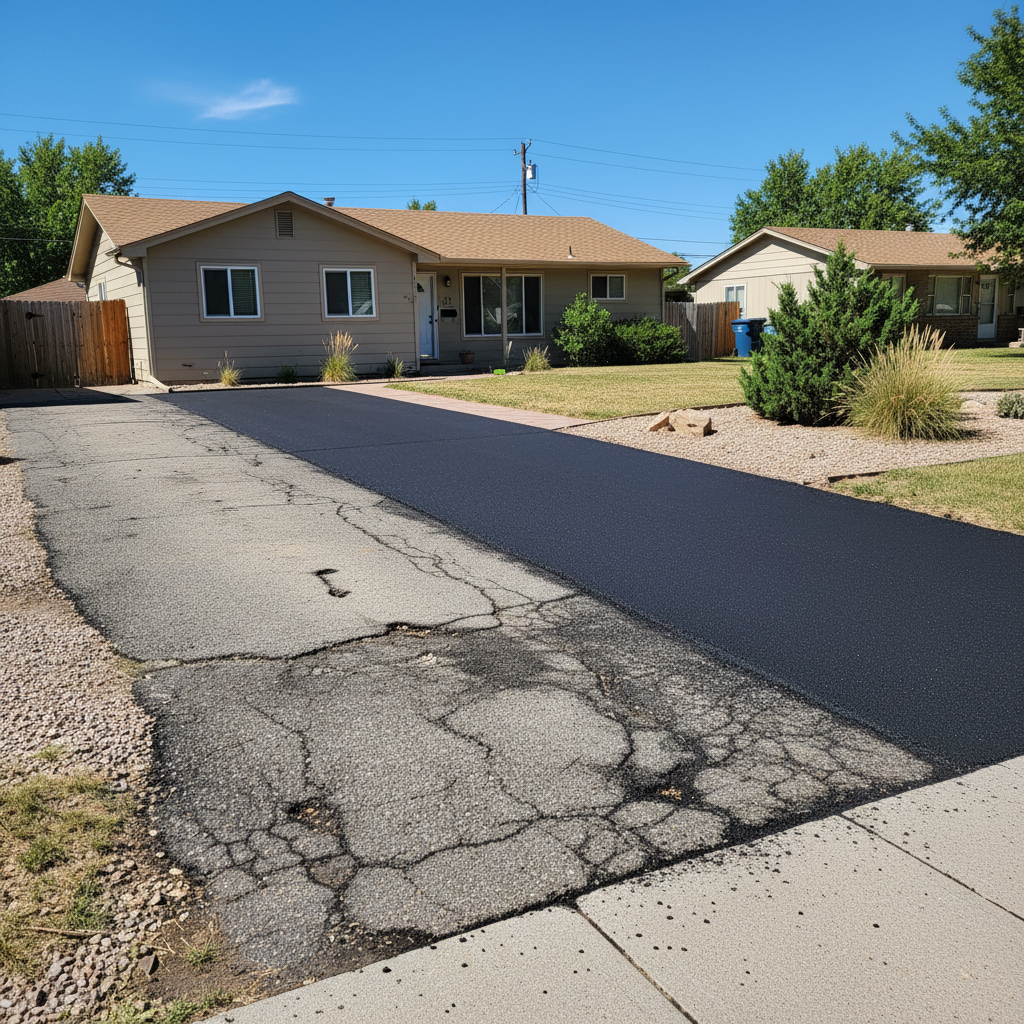
You're looking at your driveway, and it's seen better days. Cracks, potholes, maybe even some crumbling edges – it's definitely time to do something. But what's the right move? For most Brighton homeowners, the big decision comes down to two main options: a full tear-out and replacement, or an asphalt overlay. I get asked about this all the time, so let's talk about what each really means for your property and your wallet.
Understanding a Full Asphalt Replacement
When I talk about a full replacement, I mean exactly that. We're ripping out everything that's there now – all the old asphalt, and often some of the base material underneath. Then, we're building a brand-new driveway from the ground up. This involves grading the subgrade, laying down new aggregate base, and then paving with fresh layers of hot mix asphalt.
Think of it like building a new house foundation. You want it done right, especially with our clay soils out here in Brighton that can shift and heave. A full replacement gives you a clean slate. You get to fix any drainage issues, re-establish proper slopes, and ensure you have a solid, stable foundation for years to come. It's the most comprehensive solution.
What's an Asphalt Overlay (Resurfacing)?
An asphalt overlay, or resurfacing, is a different beast entirely. Instead of tearing everything out, we're essentially putting a new layer of asphalt right on top of your existing, structurally sound driveway. Now, I said 'structurally sound' for a reason. You can't just pave over a driveway that's falling apart. We'd need to do some prep work first, like repairing major cracks, patching potholes, and sometimes even milling down high spots to ensure a smooth, consistent surface for the new layer.
The goal here is to give your driveway a fresh, new look and extend its life without the full expense and disruption of a complete rebuild. It's a great option if your current driveway's foundation is still good, but the surface is just worn out, faded, or has a lot of minor cracking.
Cost: The Big Deciding Factor
Let's be honest, cost is usually the first thing folks ask about. A full replacement is almost always going to be more expensive, sometimes significantly so. You're paying for the demolition, hauling away debris, more material, and more labor. It's a bigger project, plain and simple.
An overlay, on the other hand, is typically a more budget-friendly option upfront. You're saving on the demo and disposal, and often on the amount of new base material needed. However, don't just look at the sticker price. If your driveway's underlying issues are severe – like major subgrade failure or widespread alligator cracking – an overlay might just be a temporary band-aid. You could end up paying for an overlay now, only to need a full replacement sooner than you'd like down the road. That's why a good assessment is crucial.
Durability and Lifespan
When done right, a full replacement will give you the longest lifespan. We're talking 20-30 years, sometimes more, with proper maintenance. You've got a fresh, robust foundation and new asphalt designed to handle our Colorado weather – the freeze-thaw cycles, the intense summer sun, and the occasional heavy snow.
An overlay can add a good 10-15 years to your driveway's life, assuming that underlying structure was solid to begin with. The key here is that the new layer is only as good as what's beneath it. If there are weak spots in the old base, those problems can eventually reflect through the new asphalt. It's not a magic bullet for fundamental structural issues.
Maintenance Needs
Both options will need maintenance, but a new driveway starts with zero existing problems. You'll want to sealcoat it every 2-3 years, and address any small cracks as they appear. It's like buying a new car – you follow the manufacturer's recommended service schedule to keep it running well.
An overlay will also benefit from sealcoating and crack filling. The difference is, you might see some of the old cracks 'reflect through' the new surface over time, especially if the underlying movement wasn't fully addressed. It's something to be aware of, but good prep work minimizes this.
Appearance and Curb Appeal
This is where both options shine, but in different ways. A brand-new driveway, fresh from Asphalt Excellence, looks fantastic. It's smooth, dark, and perfectly graded. It instantly boosts your home's curb appeal and makes a statement. You get that crisp, clean look that only new asphalt can provide.
An overlay also provides a beautiful, fresh black surface. It covers up all those old cracks and faded spots, making your driveway look brand new. The main difference in appearance might be in the overall thickness or if there were significant grade changes that couldn't be fully corrected with just an overlay. But for most homeowners, both options deliver a significant visual upgrade.
My Recommendation for Brighton Homeowners
Alright, so what's the verdict for folks here in Brighton? Given our unique conditions – the expansive clay soils, the harsh winters, and the intense summer sun – I generally lean towards a full replacement if your driveway shows significant structural distress. If you've got widespread alligator cracking, major potholes that keep coming back, or noticeable sinking and heaving, you're better off biting the bullet and doing it right the first time with a full tear-out and rebuild.
You'll get a longer-lasting, more durable solution that truly addresses the root cause of the problem. It's an investment that pays off in the long run, saving you from repeated repairs or another major project sooner than you'd like.
However, if your driveway is mostly intact, has a good base, and just looks tired with minor surface cracks and fading, an overlay is a fantastic, cost-effective option. It'll give you that fresh look and several more years of service without the higher price tag and disruption of a full replacement.
The real key? Get a professional assessment. I can come out, take a look at your specific driveway, and give you an honest opinion on what's truly best for your situation. There's no one-size-fits-all answer, but with the right information, you can make the best decision for your Brighton home.