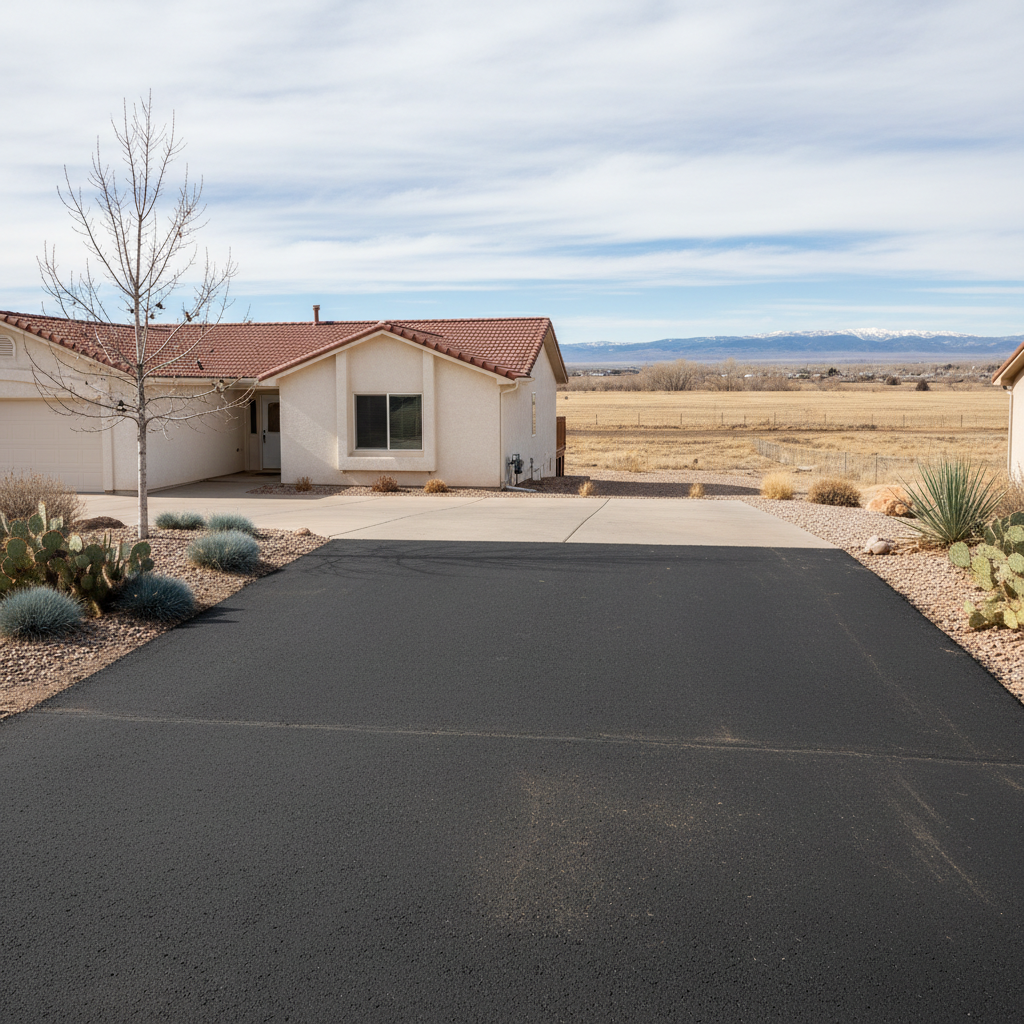
So, you've just had some asphalt patching done, maybe it was a pothole repair or a utility cut. Good on you for addressing it! But getting the patch in place is only half the battle, especially here in Brighton. Our climate, with its brutal freeze-thaw cycles and intense UV exposure, can be tough on pavement. You want that patch to last, right? Let's talk about how to make sure it does.
Extending the Life of Your Asphalt Patch
The biggest thing you can do right after a patch is give it time. Fresh asphalt needs to cure. That means limiting heavy traffic on it for at least a few days, sometimes longer depending on the weather and the type of patch. If we've just had a major patch done, we'll usually tell you to stay off it for 24-48 hours if possible, and definitely avoid heavy vehicles for a week. Turning your wheels sharply in place on a hot day can also scuff up a new patch, so try to avoid that.
Once it's cured, the next step is sealing. I can't stress this enough for our Brighton properties. Sealcoating isn't just for looks; it's a protective layer against water, UV rays, and even oil spills. For a patch, you'll want to wait a good 6-12 months before applying a full sealcoat over it and the surrounding pavement. This gives the patch time to fully settle and bond. A good sealcoat every 2-3 years will significantly extend the life of your entire driveway or parking lot, including those patched areas.
Regular Maintenance: What You Need to Do
Regular maintenance for patched asphalt isn't rocket science, but it's consistent work. Think of it like taking care of your car – a little bit often saves big headaches later.
- Keep it clean: Sweep off dirt, gravel, and debris regularly. Accumulated grime can trap moisture and accelerate wear. Plus, gravel can act like sandpaper under tires.
- Address spills immediately: Oil, gas, and other chemicals are asphalt's enemy. They break down the binder that holds the aggregate together. Blot them up quickly and clean the area with a mild detergent. Don't let them sit.
- Manage drainage: This is huge in Colorado. Make sure water isn't pooling on or near your patched areas. Poor drainage is a primary cause of asphalt failure. If you've got standing water after a rain or snowmelt, you've got a problem that needs fixing beyond just the patch itself. We see this a lot in older parts of Brighton, like around the historic downtown area, where grading might not be ideal.
- Watch for vegetation: Weeds and grass love to push through cracks. Pull them out as soon as you see them. Their roots can widen small cracks into big ones.
Warning Signs of Trouble
You're not a paving expert, but you can definitely spot when something's not right. Keep an eye out for these red flags:
- New cracks forming: If you see new cracks appearing around the edge of the patch, or even within the patch itself, that's a sign of stress.
- Sinking or rising: Is the patch sinking below the surrounding pavement, or is it bubbling up? This indicates a problem with the sub-base or an issue with the patch material settling improperly.
- Fraying edges: If the edges of the patch are crumbling or breaking apart, it means the bond with the existing asphalt isn't holding up.
- Potholes reappearing: The worst-case scenario. If the original pothole comes back, the repair wasn't effective or there's a deeper structural issue.
- Discoloration: While some fading is normal, excessive discoloration, especially if it looks lighter or chalky, can mean the asphalt is oxidizing and losing its flexibility.
When to Call a Professional
Look, you can handle the sweeping and cleaning, but some things are best left to the pros. If you're seeing any of those warning signs, especially cracking, sinking, or fraying, it's time to give us a call. Don't wait until a small issue becomes a massive, expensive repair. Catching problems early can save you a lot of money and extend the life of your pavement significantly.
Also, if you're not comfortable with sealcoating or if you have extensive cracking that needs more than just a simple patch, that's our cue. We've been doing this for years at Asphalt Excellence, and we know what Brighton's weather can dish out. We can assess the situation, figure out the root cause, and recommend the right solution, whether it's another patch, crack filling, or a complete resurface. Your pavement is an investment; let's keep it in top shape.