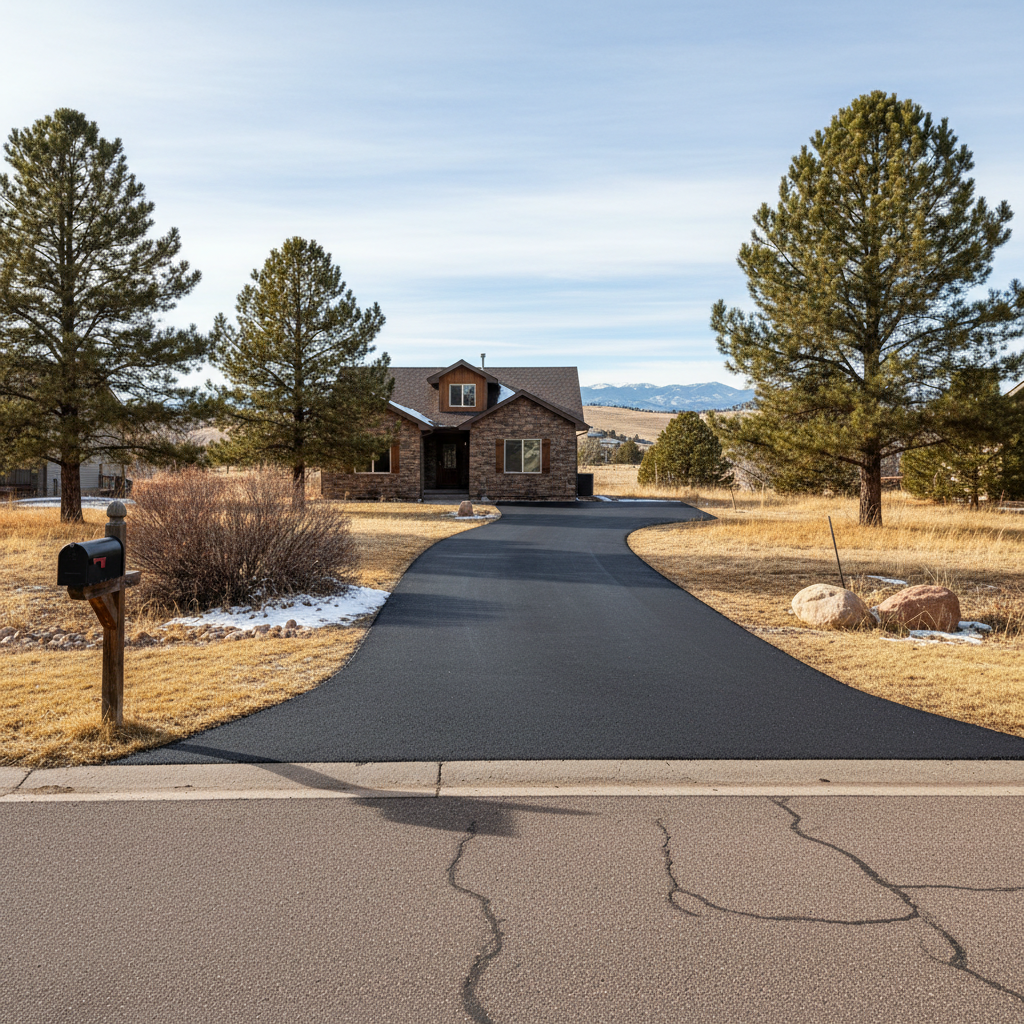
You're thinking about a new driveway or maybe a big repair, right? The biggest question I get from folks around Brighton isn't just about cost, it's about timing. When's the best time to get this work done so it actually lasts? It's a fair question, especially with our crazy Colorado weather.
Why Timing Matters More Than You Think
Paving isn't like painting a wall inside your house. Asphalt needs specific conditions to cure properly, bond together, and give you that smooth, durable surface you're paying good money for. If you pave when it's too cold, the asphalt cools too fast, doesn't compact right, and you end up with a brittle, weak surface that'll crack and crumble way too soon. Too hot, and it can be too soft, leading to ruts and shifting. It's a balancing act, and our local climate here in Brighton makes it even more critical.
The Sweet Spot: When to Schedule Your Asphalt Work
For us in Brighton, the ideal paving season runs from late spring through early fall. Think May through September, maybe even early October if we get a nice, warm stretch. What we're really looking for is consistent air and ground temperatures.
- Spring (May-June): This is usually a great window. The ground has thawed completely, and daytime temperatures are reliably above 50°F, often hitting the 60s and 70s. Nights are usually above freezing too, which is just as important. The ground needs to be warm enough to not suck the heat out of the fresh asphalt too quickly.
- Summer (July-August): Often perfect. Warm, dry days mean the asphalt stays workable for longer, allowing for better compaction and a smoother finish. Just watch out for those afternoon thunderstorms we sometimes get; we can't pave in the rain, obviously.
- Early Fall (September-Early October): Still a good bet. You get those nice, warm days, but the nights start to cool down. We're keeping a close eye on overnight lows. If they're consistently dipping into the 30s, we might start pushing it. The ground still holds residual heat from the summer, which helps.
What you want to avoid is late fall or winter paving. I know some contractors might offer it, especially if they're trying to fill their schedule, but I won't. It's just not worth it for you. The asphalt won't cure correctly, and you'll be calling me back for repairs sooner than you should. It's a waste of your money and my reputation.
Weather Conditions That Make or Break a Paving Job
Beyond just the season, specific weather conditions on the day of the pour are crucial:
- Temperature: We need air temperatures generally above 50°F, ideally between 60-85°F. Ground temperature is also key; it needs to be warm enough to not shock the hot asphalt.
- Moisture: Rain is a no-go. Period. Asphalt won't bond to a wet surface, and water trapped underneath can cause all sorts of problems down the line, like premature cracking and potholes. Even damp ground can be an issue.
- Wind: High winds can cool the asphalt too quickly, making it harder to work with and compact properly. It's not usually a deal-breaker unless it's really howling, but it's something we consider.
Here in Brighton, especially with our expansive soils in areas like the Bromley Park neighborhood, proper drainage and a well-prepared base are just as important as the paving itself. If the ground isn't stable or drains poorly, even perfectly timed asphalt won't hold up long-term.
Protecting Your Investment Year-Round: Beyond the Pave
Once your new asphalt is down and cured, your job isn't over. You've got to protect that investment. Here's what I tell all my clients:
- Sealcoating: This is your asphalt's sunscreen and raincoat. It protects against UV rays, water penetration, and spills. For a new driveway, I usually recommend waiting about 6-12 months for the asphalt to fully cure, then sealcoat every 2-3 years after that.
- Crack Sealing: Don't wait for cracks to become potholes. As soon as you see a crack, get it filled. Water is asphalt's worst enemy, and cracks are its entryway.
- Cleanliness: Keep your driveway free of oil and gas spills. These chemicals break down the asphalt binder. Also, sweep away dirt, leaves, and debris regularly to prevent water from pooling.
- Winter Care: Be careful with snow plows. Set the blade just above the surface to avoid gouging. And try to use sand or non-chloride de-icers if possible. Some harsh chemicals can degrade asphalt over time.
Getting your asphalt paving done right means understanding our local conditions and scheduling smart. Don't rush it, and don't let someone talk you into a job when the weather isn't right. At Asphalt Excellence, we pride ourselves on doing the job once and doing it right, so you get a driveway that lasts for years.