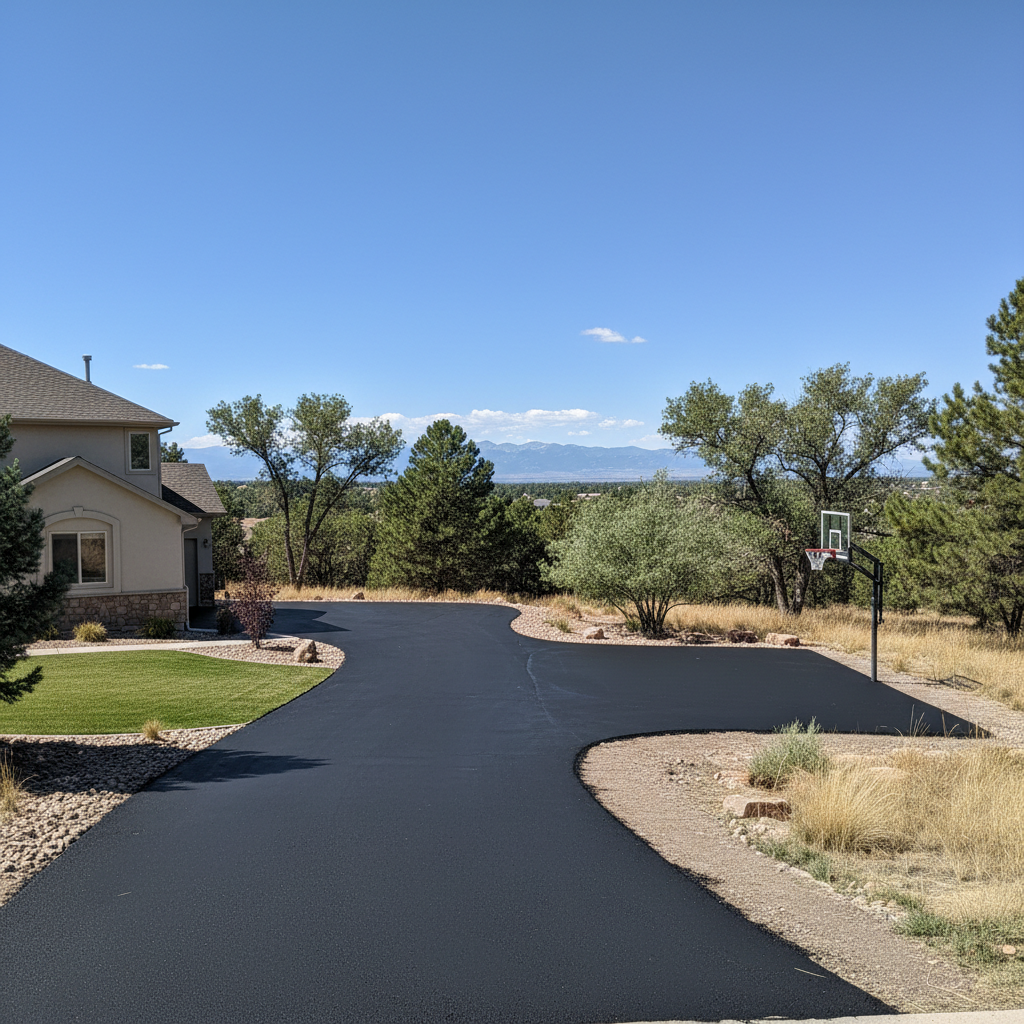
So, you're considering a slurry seal for your asphalt. That's a smart move for protecting your investment, especially with the kind of weather we get here in Brighton. But before you jump in, there's a bit of planning involved to make sure it goes smoothly and you get the best results. I'm going to walk you through what you need to know, from start to finish.
Understanding the Timeline for Your Slurry Project
The first thing folks usually ask is, "How long is this going to take?" It's not just about the day the crew shows up. We're talking about a whole process, and it varies depending on the size of your area and the condition of your existing asphalt.
Generally, from your first call to the finished product, you're looking at a few weeks, sometimes more during peak season (late spring through early fall). Here's a breakdown:
- Initial Contact & Estimate: This usually happens pretty quick. You call us, we come out, measure, and give you a quote. Might take a few days to get on the schedule for the estimate, then another day or two to get the actual bid in your hands.
- Scheduling the Work: Once you approve the bid, we'll get you on the calendar. This is where weather plays a huge role. Slurry needs warm, dry conditions to cure properly. We can't do it in the rain, or if it's too cold, or if it's going to freeze overnight. So, if we get one of those sudden spring snows or a cold snap, we might have to reschedule. That's just how it goes here in Colorado.
- The Actual Work Day(s): For a typical residential driveway, the application itself might only take a few hours. For larger areas like apartment complex parking lots, it could be a day or two.
- Cure Time: This is crucial. You absolutely cannot drive or walk on fresh slurry for at least 24-48 hours, sometimes longer if it's cooler or humid. We'll give you a specific timeframe, and you've got to stick to it. Trying to rush it will just mess up all the hard work and money you've put in.
What to Expect During the Slurry Process
When the crew shows up, they're not just going to dump some black stuff on your driveway. There's a method to it. First, we'll clean the surface thoroughly. That means sweeping, blowing, and sometimes even power washing to get rid of all the dirt, debris, and loose aggregate. Any oil spots or really bad cracks might need a little extra prep or patching beforehand.
Then, the slurry mixture is applied. It's usually done with specialized equipment that spreads it evenly across the asphalt. It'll look a bit rough and dark at first, almost like a thick, black paint. Don't worry, it smooths out as it dries and cures. You'll see a noticeable difference in the color and texture of your asphalt – it'll look fresh, dark, and uniform.
You'll also notice barricades or caution tape. We put these up to keep people and vehicles off the fresh surface. Please, for your own good, respect these. It's not just for us; it's for the longevity of your new seal.
How to Prepare Your Property for Slurry Sealing
Your part in this is pretty straightforward, but it's important. Good preparation makes our job easier and ensures a better finish for you.
- Clear the Area: Move all vehicles off the driveway or parking lot. And I mean all of them. Don't forget the RV or boat parked on the side. Also, move any trash cans, basketball hoops, potted plants, or anything else that's on or near the asphalt.
- Trim Vegetation: If you have bushes, trees, or grass overhanging the edges of your asphalt, trim them back. We need clear access to the edges to get a clean line.
- Turn Off Sprinklers: Make sure your sprinkler system is off for at least 24 hours before we arrive and for at least 48 hours after. Water on fresh slurry is a no-go.
- Communicate with Neighbors: If your driveway is shared or if our equipment might temporarily block access, give your neighbors a heads-up. It's just good practice.
- Plan for No Access: Remember that cure time. If your car is usually in the garage, make sure it's out before we start. You won't be able to get back in until it's fully cured.
Questions to Ask Before Signing a Contract
You're spending your hard-earned money, so you should feel good about who you're hiring. Don't be shy about asking questions. Any reputable contractor, like us at Asphalt Excellence, will be happy to answer them.
- What's included in the price? Make sure the estimate clearly spells out everything: cleaning, crack filling (if needed and quoted), the slurry application, and any traffic control.
- What kind of slurry product do you use? There are different types and qualities. Ask about the specifics.
- What's your warranty? A good contractor stands behind their work. Understand what's covered and for how long.
- How long will the job take, and what's the cure time? Get a clear estimate for both the application and when you can use the surface again.
- Are you licensed and insured? This is non-negotiable. You want to make sure they're legitimate and that you're protected in case of an accident.
- Do you have references? Ask for a few local jobs they've done that you can drive by and look at.
- What's your plan for protecting adjacent surfaces? You don't want slurry all over your concrete sidewalks or garage door.
- What happens if the weather turns bad? Understand their rescheduling policy.
Asking these questions upfront will save you headaches down the road. A slurry seal is a great way to extend the life of your asphalt and make your property look sharp. Just make sure you're prepared, and you've picked a contractor who knows their stuff.