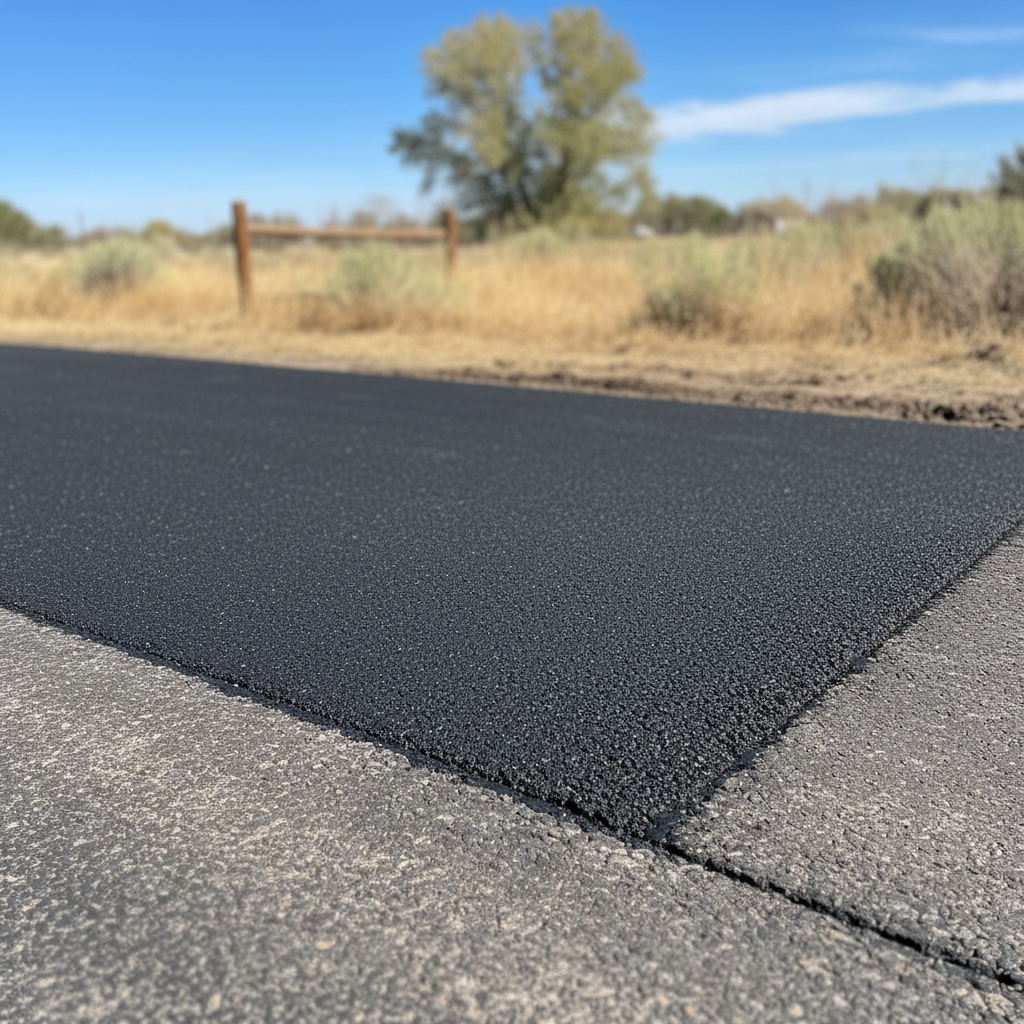
What's the difference between patching and repaving?
This is probably the most common question I get, and it's a big one. Think of it like this: patching is like putting a band-aid on a wound, while repaving is like getting a whole new skin graft. When we patch, we're addressing specific, isolated areas of damage – potholes, alligator cracking that's localized, or small sections that are crumbling. We cut out the bad stuff, clean it up, and fill it with new asphalt. It's a targeted repair.
Repaving, on the other hand, means we're either putting a new layer of asphalt over your entire existing driveway (an overlay) or, in more severe cases, tearing out the old asphalt completely and laying down a brand new surface from scratch. You'd go for repaving when the damage is widespread, structural, or your driveway is just plain old and showing its age everywhere. Patching saves you money in the short term by fixing just the problem spots, but it's not a permanent solution for an aging, failing driveway.
How long does an asphalt patch typically last?
Honestly, it depends on a few things. A good, well-done patch, especially a full-depth repair where we cut out the old stuff and put in new asphalt, can easily last 3-5 years, sometimes even longer. But that's assuming the underlying base is still solid and the rest of your driveway isn't falling apart around it. If the patch is just a temporary fix, like filling a small crack that's part of a larger network of cracks, it might only last a year or two before other problems pop up nearby.
The quality of the material and the installation really matter here. We use hot mix asphalt for most durable patches, not cold patch stuff you buy at the hardware store, which is really just for emergencies. Also, Brighton's freeze-thaw cycles, especially with our clay soils, can be tough on asphalt. Water gets into those tiny cracks, freezes, expands, and then thaws, making things worse. So, while a patch can hold up, keeping an eye on the surrounding pavement is key to getting the most life out of it.
Can I patch my driveway myself, or should I hire a pro?
You *can* patch your driveway yourself, especially if it's just a small pothole or a minor crack. You can buy cold patch asphalt at any home improvement store. It's pretty straightforward: clean out the hole, pour in the cold patch, and compact it. For very small, shallow issues, it'll get you by for a bit.
However, for anything more significant – deeper potholes, larger areas of cracking, or if you want a repair that actually lasts – you really should call in a professional. We've got the right equipment, like asphalt saws to make clean cuts, compactors to ensure a dense, durable fill, and access to hot mix asphalt, which is far superior to cold patch. Plus, we know how to properly prepare the area, ensure good drainage, and match the patch to the existing pavement for a better look and longer life. DIY patches often fail quickly because they're not properly compacted or the underlying issue isn't addressed. It's often a case of 'do it once, do it right' to save yourself headaches down the road.
What causes potholes and cracks in the first place?
There are a few main culprits. First off, water is asphalt's worst enemy. When water seeps into tiny cracks, and then freezes and expands (which happens a lot here in Brighton during winter), it pushes the asphalt apart. Then it thaws, leaving a void, and the process repeats, eventually creating a pothole. Second, heavy traffic and constant pressure break down the asphalt over time. Your car, your neighbor's truck, delivery vehicles – they all contribute.
Third, the quality of the original installation and the base underneath makes a huge difference. If the base wasn't properly prepared or compacted, or if the asphalt layer itself was too thin, it's going to fail faster. Lastly, UV rays from the sun oxidize the asphalt, making it brittle and less flexible, which leads to cracking. It's usually a combination of these factors working together that causes the damage you see.
How do you decide if a patch is even worth it?
That's a great question, and it's what I do when I come out for an estimate. I look at the overall condition of your driveway. If you've got a few isolated potholes or some spiderweb cracking in one or two spots, patching is definitely the way to go. It's cost-effective and extends the life of your driveway significantly.
But if your driveway looks like a patchwork quilt already, or if there's extensive cracking everywhere, large areas of crumbling, or significant depressions and drainage issues, then I'm going to tell you that patching is just throwing good money after bad. At that point, the underlying structure is probably failing, and you'll be patching new spots every few months. That's when I'd recommend considering an overlay or even a full replacement. My job at Asphalt Excellence isn't just to do the work, it's to give you an honest assessment of what's going to give you the best value and longest-lasting solution.
What's the typical cost for asphalt patching in Brighton?
Alright, so cost is always on people's minds, and it's tough to give an exact number without seeing the job. Patching costs can vary a lot depending on the size and depth of the area needing repair, the type of asphalt used (hot mix is more expensive but way better), and how much prep work is involved. A small, simple pothole might be a few hundred bucks, while a larger, more complex section of alligator cracking that requires significant cutting and base repair could be upwards of a thousand or more.
What I can tell you is that it's almost always significantly less expensive than a full overlay or replacement. When I come out, I'll give you a clear, itemized quote so you know exactly what you're paying for. Don't just go for the cheapest bid; make sure they're using quality materials and proper techniques, otherwise, you'll be paying for it again sooner than you think.
How quickly can a patch be used after it's applied?
This is a good one to know. For hot mix asphalt patches, we usually recommend staying off it for at least 24 hours, sometimes 48 hours if it's a really deep patch or if the weather is cooler. The asphalt needs time to cool down and compact completely. Driving on it too soon can cause ruts, tire marks, or even displace the fresh patch, especially if you're turning your wheels sharply.
After that initial period, it's generally good to go for normal vehicle traffic. Just be aware that it might still be a little softer than the surrounding older asphalt for a few weeks, especially on really hot days. So, try to avoid parking heavy vehicles on it for extended periods right away if you can help it. Patience pays off when it comes to letting that patch cure properly.