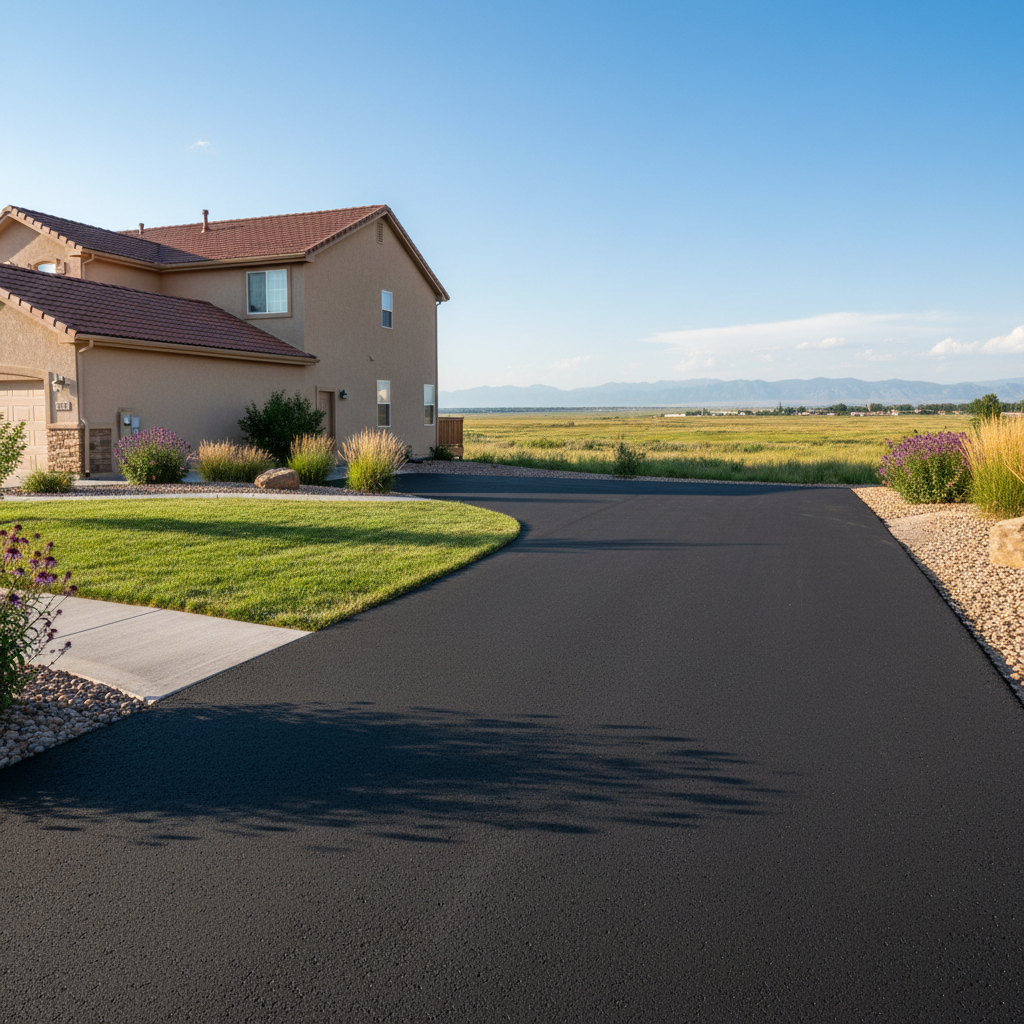
Planning Your Asphalt Paving Project: What You Need to Know
So, you're thinking about a new asphalt driveway or maybe a parking pad for your RV. That's a smart move. A good asphalt surface not only looks great but also adds real value and functionality to your home. But before you jump in, there's a bit of planning involved. I've been doing this for years, right here in Brighton, and I've seen homeowners make some common mistakes. Let's make sure you don't.
The Timeline: When to Get Things Rolling
You might think asphalt paving is a quick job, and the actual laying of the asphalt can be. But the whole process, from your first thought to the finished product, takes time. Here's a realistic breakdown:
Initial Research & Quotes (2-4 weeks): Don't just call the first company you see. Get a few quotes. Talk to different contractors. See who understands your vision and who you feel comfortable with. This is your chance to ask questions and get a feel for their professionalism.
Scheduling the Work (2-8 weeks out): Once you pick a contractor, they'll fit you into their schedule. Good contractors are busy, especially during peak season (late spring, summer, early fall). Don't expect them to start tomorrow. We're often booked weeks, sometimes months, in advance, particularly when the weather's cooperating. Here in Brighton, our spring thaws can sometimes push back schedules a bit, so keep that in mind.
Permits (1-4 weeks, if needed): Most residential driveways don't need a permit from the city of Brighton, but if you're doing something bigger, or altering drainage significantly, check with the city's planning department. Your contractor should help you figure this out, but it's ultimately your responsibility as the homeowner.
Actual Paving Work (1-5 days): This is the fast part. Depending on the size and complexity of your project, it could be a single day or up to a week. This includes excavation, grading, base prep, and laying the asphalt.
Curing Time (7-30 days): After the asphalt is laid, it needs to cure. You can usually walk on it pretty quickly, but you'll need to stay off it with vehicles for at least a week, sometimes longer, especially if it's hot out. Your contractor will give you specific instructions.
What to Expect During the Process
Alright, you've signed the contract, and we're ready to go. What's it actually going to look like?
Noise and Dust: We're using heavy machinery – excavators, graders, rollers. It's going to be loud. There will be some dust, especially during the excavation and grading phases. We do our best to minimize it, but it's part of the job.
Limited Access: For a period, your driveway or the area being worked on will be inaccessible. Plan for where you'll park your car, how you'll get mail, and if you have deliveries. We'll talk about this beforehand to make sure it's not a surprise.
Crew on Site: You'll have a crew of guys working at your house. We're professionals, but we're also just people. Don't be afraid to say hello or ask a question if something's unclear. We're there to do a good job for you.
Material Delivery: You'll see trucks bringing in gravel for the base and then hot asphalt. This is a big operation, and sometimes it takes a few trips. We'll make sure to protect your property as much as possible during these deliveries.
How to Prepare Your Property
A little prep on your end goes a long way in making the project run smoothly:
Clear the Area: Move anything that's in the way – cars, boats, trailers, planters, kids' toys, garden gnomes. If it's not bolted down, get it out of there.
Mark Utilities: Call 811 before any digging starts. It's free, it's the law, and it prevents serious accidents. We can't start excavating until the utilities are marked. Make sure any private lines, like sprinkler systems or invisible dog fences, are also clearly marked or discussed with your contractor.
Inform Neighbors: Give your neighbors a heads-up. Let them know there will be some noise and possibly heavy equipment on the street for a few days. It's just being a good neighbor.
Plan for Access: Like I said, figure out your parking situation and how you'll get in and out of your house without using the work area.
Questions to Ask Before Signing a Contract
This is crucial. Don't sign anything until you're clear on these points. A good contractor, like us at Asphalt Excellence, will be happy to answer all of them:
What's included in the price? Get a detailed breakdown. Does it include excavation, hauling away old material, base preparation, asphalt layers, and compaction? Are there any hidden fees?
What's the thickness of the asphalt? For residential driveways, you typically want at least 2-3 inches of compacted asphalt over a solid base. Don't settle for less.
What kind of base will you use, and how thick will it be? The base is the foundation of your driveway. It needs to be properly graded and compacted. Here in Brighton, with our expansive clay soils in some areas, a well-prepared, stable base is absolutely critical to prevent cracking and heaving down the line.
How do you handle drainage? Proper drainage is key to preventing water damage and extending the life of your asphalt. Will it be sloped correctly away from your house and other structures?
Do you have insurance and are you licensed? Always ask for proof. You want to make sure they're covered in case of an accident.
Do you offer a warranty? A reputable contractor should stand behind their work. Ask what their warranty covers and for how long.
Can I see references or examples of your work? Look at driveways they've done in your area. Talk to their past clients if possible.
What's the payment schedule? A common schedule is a deposit upfront, with the remainder due upon satisfactory completion. Be wary of contractors who demand full payment upfront.
Taking the time to plan and ask the right questions will save you headaches and ensure you get a quality asphalt surface that lasts for years. We're here to help make that happen for you.