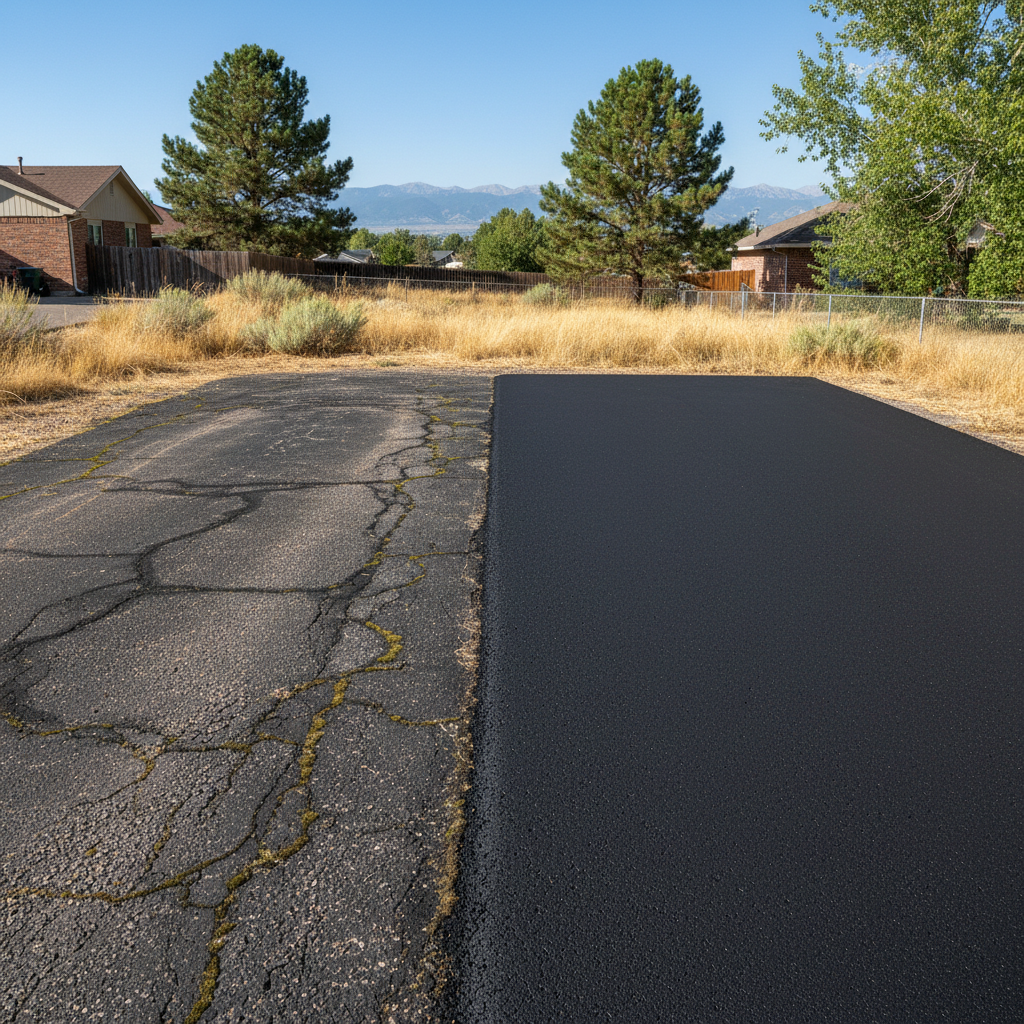
Your driveway's seen better days, hasn't it? Maybe you're seeing more cracks than asphalt, or those potholes are starting to feel like permanent residents. When it gets to that point, you've generally got two main options for fixing it up: an asphalt overlay or a full-depth replacement. As a local guy running Asphalt Excellence, I've seen both done a thousand times, and I can tell you which one makes sense for different situations right here in Brighton.
What's an Asphalt Overlay?
An overlay, sometimes called resurfacing, is basically putting a fresh layer of asphalt right on top of your existing driveway. We'll clean the surface, fill any major cracks or potholes, and then lay down a new, typically 1.5 to 2-inch thick layer of hot asphalt. Think of it like giving your driveway a fresh coat of paint, but much thicker and more durable.
Pros of an Overlay:
- Cost: This is usually the big one. An overlay is significantly cheaper than a full replacement because we're not tearing out and hauling away all that old material. Less labor, less material, less cost for you.
- Speed: It's a quicker job. We can get in and out faster, meaning less disruption to your daily routine.
- Appearance: You get that brand-new, smooth, black look without the hefty price tag. It'll definitely boost your home's curb appeal.
Cons of an Overlay:
- Durability: This is where it gets tricky. An overlay is only as good as the foundation it's laid on. If your existing driveway has severe structural issues – deep, wide cracks, significant heaving, or major drainage problems – an overlay might just be a temporary fix. Those underlying issues can eventually telegraph through the new layer.
- Lifespan: While it'll look great, an overlay typically won't last as long as a brand-new, full-depth driveway. You're generally looking at 8-15 years, depending on the condition of the original asphalt and how well it's maintained.
- Drainage: Adding a new layer raises the height of your driveway. We always check this, but sometimes it can create issues with garage door clearance or how water drains around your property, especially in areas with tricky slopes like some of the older homes near Main Street.
What's a Full-Depth Replacement?
A full-depth replacement means we're tearing out your entire existing driveway – all the old asphalt, and sometimes even some of the base material underneath. Then, we prepare a brand new sub-base, lay down fresh aggregate, and finally, pave a completely new asphalt driveway. It's a start-from-scratch approach.
Pros of a Full Replacement:
- Durability & Lifespan: This is the gold standard. When done right, with a properly prepared base, a full replacement can last 20-30 years or even longer. You're building a whole new, strong foundation.
- Structural Integrity: We can address any underlying issues with your sub-base, like poor drainage, unstable soil (which we see a lot of with our clay soils around Brighton), or inadequate compaction. This means a much more stable and resilient driveway.
- Appearance: It's a completely fresh start. No old cracks or patches showing through, just pristine asphalt.
Cons of a Full Replacement:
- Cost: No sugar-coating it, this is the most expensive option. You're paying for demolition, hauling, new base material, and more asphalt.
- Time & Disruption: It takes longer. There's more equipment, more noise, and your driveway will be out of commission for a longer period while we do the work and the new asphalt cures.
- Environmental Impact: More material is being removed and replaced, which means more waste and resource consumption. We do try to recycle asphalt whenever possible, but it's still a bigger footprint.
Which One Should You Choose for Your Brighton Home?
Here's my honest take. It really comes down to the condition of your existing driveway and your budget.
If your driveway has mostly surface cracks, fading, or minor potholes, and the underlying structure feels solid – no major dips, heaving, or widespread alligator cracking – an overlay is probably a great option. You get a fantastic-looking driveway at a reasonable price, and it'll serve you well for many years. It's a smart choice for a driveway that's just showing its age but isn't falling apart.
However, if your driveway looks like a jigsaw puzzle, with deep, interconnected cracks, significant potholes that keep coming back, areas that hold water, or noticeable dips and humps, then you're likely past the point where an overlay will do much good. Those are signs of a failing base, and putting new asphalt on top of a bad foundation is just throwing good money after bad. In that case, a full-depth replacement is the only way to truly fix the problem and get a driveway that will last. It's a bigger investment upfront, but it pays off in the long run with superior durability and fewer headaches.
The best thing to do is have a professional, someone like us at Asphalt Excellence, come out and take a look. We can assess the actual condition of your driveway's base and give you a solid recommendation tailored to your specific situation and budget. Don't guess; get an expert opinion.