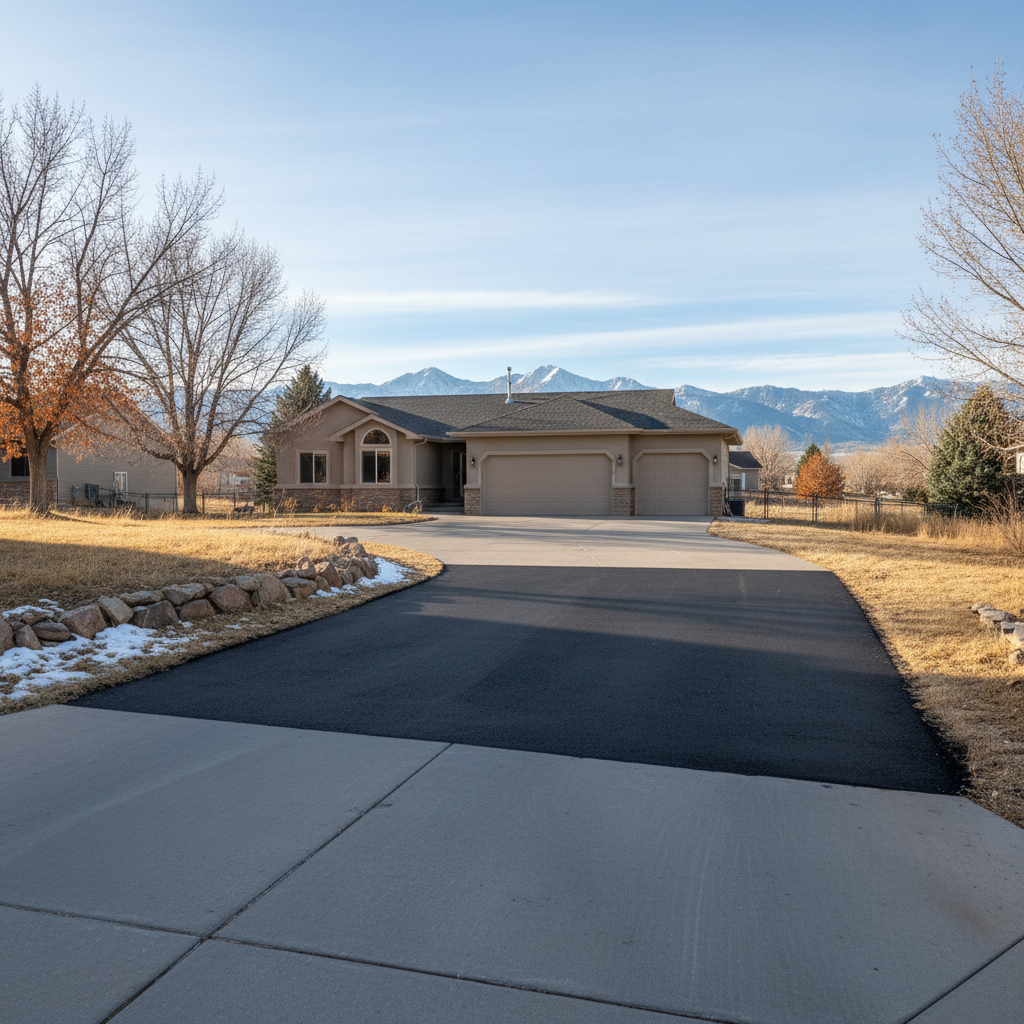
Your asphalt driveway takes a beating, especially here in Brighton. That constant freeze-thaw cycle we get, coupled with the intense summer sun, really does a number on pavement. When you start seeing those cracks and potholes, you know it's time to get them patched up. But here's the thing: timing isn't just a suggestion; it's crucial for a patch that actually holds.
When to Schedule Your Asphalt Patching
Look, I get calls year-round about patching, but not every day is a good day for it. Generally speaking, the best time to schedule asphalt patching in Brighton is during the warmer months. Think late spring, all through summer, and into early fall. We're talking April, May, June, July, August, September, and even early October if the weather holds.
Why this window? It's all about temperature. The asphalt material needs to be hot and pliable to bond properly with your existing pavement. If it's too cold, the material stiffens up too quickly, and you won't get that strong, seamless bond you need. You'll end up with a patch that's just sitting on top, not really integrated, and it'll fail much faster. We've seen it happen too many times when folks try to rush a repair in November.
Also, scheduling during these months means you avoid the worst of the winter moisture. Patches need time to cure and settle without being immediately subjected to heavy snowmelt or ice. A good patch needs a solid foundation, and that means dry conditions.
Weather Conditions That Affect the Work
Beyond just the season, daily weather conditions play a huge role. We're always keeping an eye on the forecast, and you should too if you're thinking about getting work done. Here's what we're looking for:
- Temperature: Ideally, we want ambient temperatures to be consistently above 50°F, and even better if they're above 60°F. The ground temperature matters too. If the ground is still frozen or very cold from a recent cold snap, it'll cool the hot asphalt too fast, making it hard to compact properly.
- Moisture: This is a big one. We can't effectively patch asphalt if it's raining, or if the area is wet. The surface needs to be dry and clean for the patching material to adhere. Water prevents proper bonding and can trap moisture underneath the patch, leading to premature failure. So, if it's been raining all week, we'll likely need to reschedule until things dry out.
- Wind: While not as critical as temperature or moisture, very high winds can sometimes be an issue, especially with certain types of patching materials or if we're doing a larger repair that involves heating equipment. It can cool the asphalt too quickly or blow debris into the fresh patch.
- Sunlight: Bright, sunny days are great because they help keep the asphalt warm and aid in the curing process. It's not a deal-breaker if it's cloudy, but a little sun never hurts.
We're pretty familiar with the crazy weather swings we get here in Brighton. One day it's 70 degrees, the next it's snowing. That's why flexibility is key. Sometimes we have to adjust schedules to hit that perfect window, but it's always for the good of your driveway.
Protecting Your Asphalt Investment Year-Round
Getting your patches done right and at the right time is a great start, but protecting your investment is an ongoing job. Here's what you can do:
- Sealcoating: This is your first line of defense. A good sealcoat every 2-3 years protects your asphalt from UV rays, water penetration, and oxidation. It's like sunscreen for your driveway and keeps it looking sharp.
- Prompt Repairs: Don't let a small crack turn into a big pothole. As soon as you see damage, address it. The sooner you patch, the less expensive and extensive the repair will be. Those shallow cracks you see forming in older driveways, especially in the areas around the newer developments like Prairie Center, will only get worse with our heavy truck traffic and the soil expansion we sometimes deal with.
- Drainage: Make sure water drains away from your driveway, not onto it or pooling on it. Poor drainage is a huge culprit for asphalt deterioration. Clear out those gutters and make sure your landscape isn't directing water where it shouldn't go.
- Cleanliness: Keep your driveway free of debris, especially oil and gas spills. These petroleum products can break down the asphalt binder over time. Clean them up quickly.
- Weight Distribution: If you have heavy vehicles, try to distribute their weight or avoid parking them in the exact same spot every day. Concentrated weight can cause depressions and cracks.
Taking these steps, especially getting your patching done when the weather's right, will significantly extend the life of your asphalt. You'll save money in the long run and keep your property looking good. If you've got questions about your driveway or need a patch done, give us a call at Asphalt Excellence. We're always happy to talk through your options.