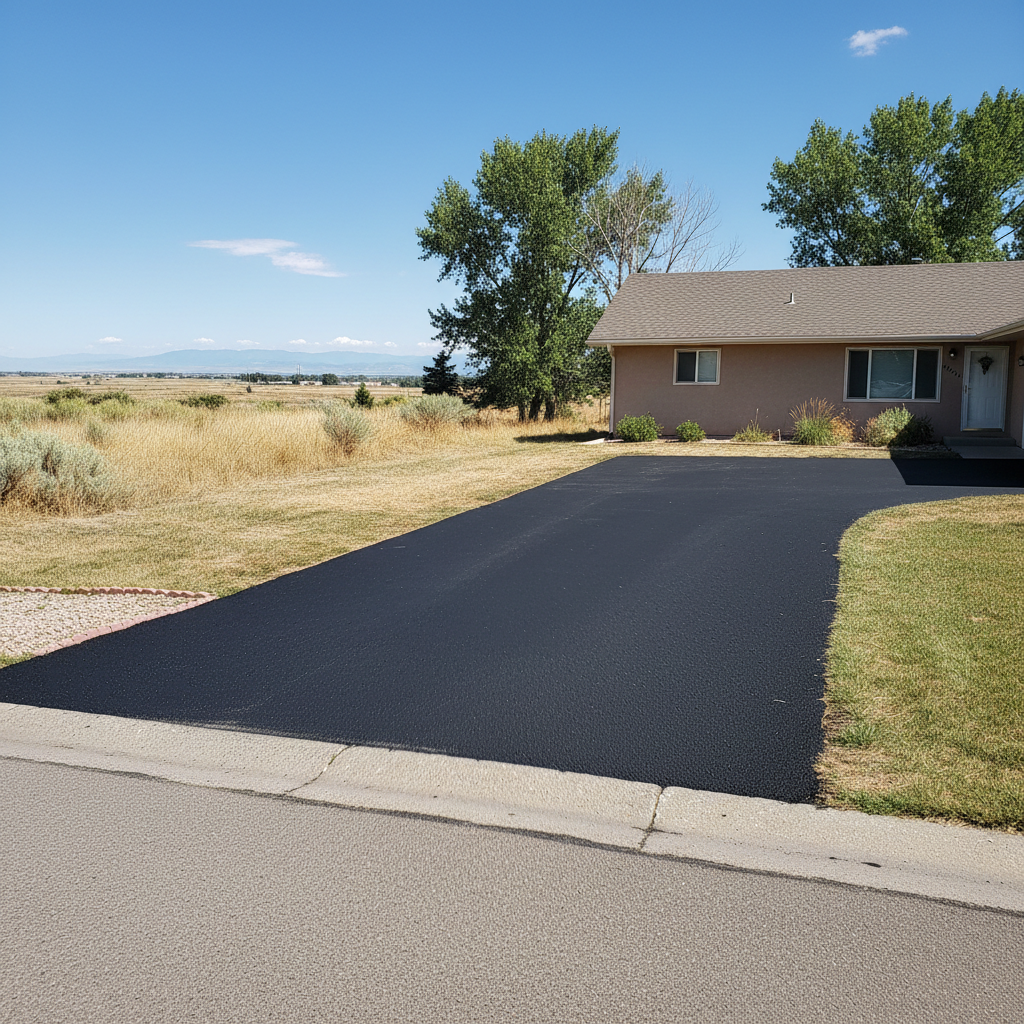
So, you've had some asphalt patching done, maybe filled a few potholes or fixed some cracks in your driveway or parking lot. Good call. Patching is a smart way to stop small problems from turning into big, expensive ones. But getting the work done is only half the battle. If you want those patches to hold up, especially with our crazy Brighton weather, you've got to give them a little love.
Why Patches Fail (and How to Stop It)
I've seen it a hundred times. Someone gets a patch, thinks they're good to go, and then six months later, it's failing. Why? Usually, it comes down to a few things. First, water. Our freeze-thaw cycles here in Colorado are brutal. Water gets into tiny cracks around the patch, freezes, expands, and then pries the patch right out. Second, traffic. Heavy vehicles, constant turning, or just too much weight on a fresh patch can break it down fast. Third, UV rays. The sun beats down, dries out the asphalt, and makes it brittle.
To extend the life of your asphalt patching, you need to fight these elements. The biggest thing you can do is keep water out. That means sealing the edges of the patch and the surrounding asphalt. A good sealcoat over the entire surface after the patch has cured for a bit (usually 30-90 days, depending on the patch type and weather) is your best friend. It creates a protective barrier against water and UV damage. Think of it like sunscreen for your asphalt.
Regular Maintenance: What You Need to Do
Maintaining your patched asphalt isn't rocket science, but it does require some attention. Here's what I tell my customers:
- Keep it Clean: Sweep off dirt, leaves, and debris regularly. This stops organic matter from breaking down on the surface and holding moisture.
- Watch for Weeds: Weeds love to grow in cracks and along the edges of asphalt. Pull them out as soon as you see them. Their roots can cause serious damage by widening cracks and breaking up the patch.
- Address Spills Immediately: Oil, gas, and other chemicals can soften and degrade asphalt. If you spill something, clean it up right away with an absorbent material and a mild detergent.
- Monitor Drainage: Make sure water isn't pooling on or around your patched areas. Proper drainage is crucial. If you see standing water, it's a sign you might have a bigger issue that needs looking at.
- Sealcoat Periodically: As I mentioned, sealcoating is huge. For most residential properties, every 2-3 years is a good schedule. Commercial properties with more traffic might need it every 1-2 years. This isn't just about making it look good; it's about protecting the asphalt underneath, including your patches.
Especially with the expansive clay soils we often deal with in areas like Brighton East, any movement in the subgrade can put stress on your asphalt. Good drainage and a strong surface are key to minimizing that impact.
Warning Signs You Can't Ignore
Your asphalt will tell you when it's struggling, you just need to know what to look for. Don't wait until it's a full-blown pothole again. Here are some red flags:
- Cracks around the patch: If you see new cracks forming around the edges of your repair, it means the bond is failing or the underlying issue wasn't fully addressed.
- Depressions or sinking: A patch that starts to sink or create a low spot indicates a problem with the base material underneath. Water will collect here, making it worse.
- Raveling: This is when the aggregate (the small stones) starts to come loose from the asphalt binder, making the surface look rough and crumbly. It's a sign of wear and breakdown.
- Water pooling: Any standing water on or near the patch after a rain or snowmelt is bad news. It'll accelerate deterioration.
- Discoloration: While a fresh patch will look different, if an old patch starts to look significantly lighter or grayer than the surrounding asphalt, it might be drying out and losing its flexibility.
When to Call a Professional (Like Us at Asphalt Excellence)
Look, some things you can handle yourself, but for others, you really need a pro. If you're seeing any of those warning signs, especially widespread cracking, sinking, or major raveling, it's time to pick up the phone. Don't try to DIY a failing patch with a bag of cold patch from the hardware store; that's usually a temporary fix at best and can sometimes make the problem worse in the long run.
You should also call us if you're planning a full sealcoating project, or if you've got new cracks appearing in areas that weren't patched before. We can assess the overall condition of your asphalt, figure out the root cause of any new problems, and recommend the right solution. Sometimes a small, timely repair can save you from a much more expensive full replacement down the road. We're here to help you keep your asphalt looking good and lasting long, even with everything our Brighton climate throws at it.