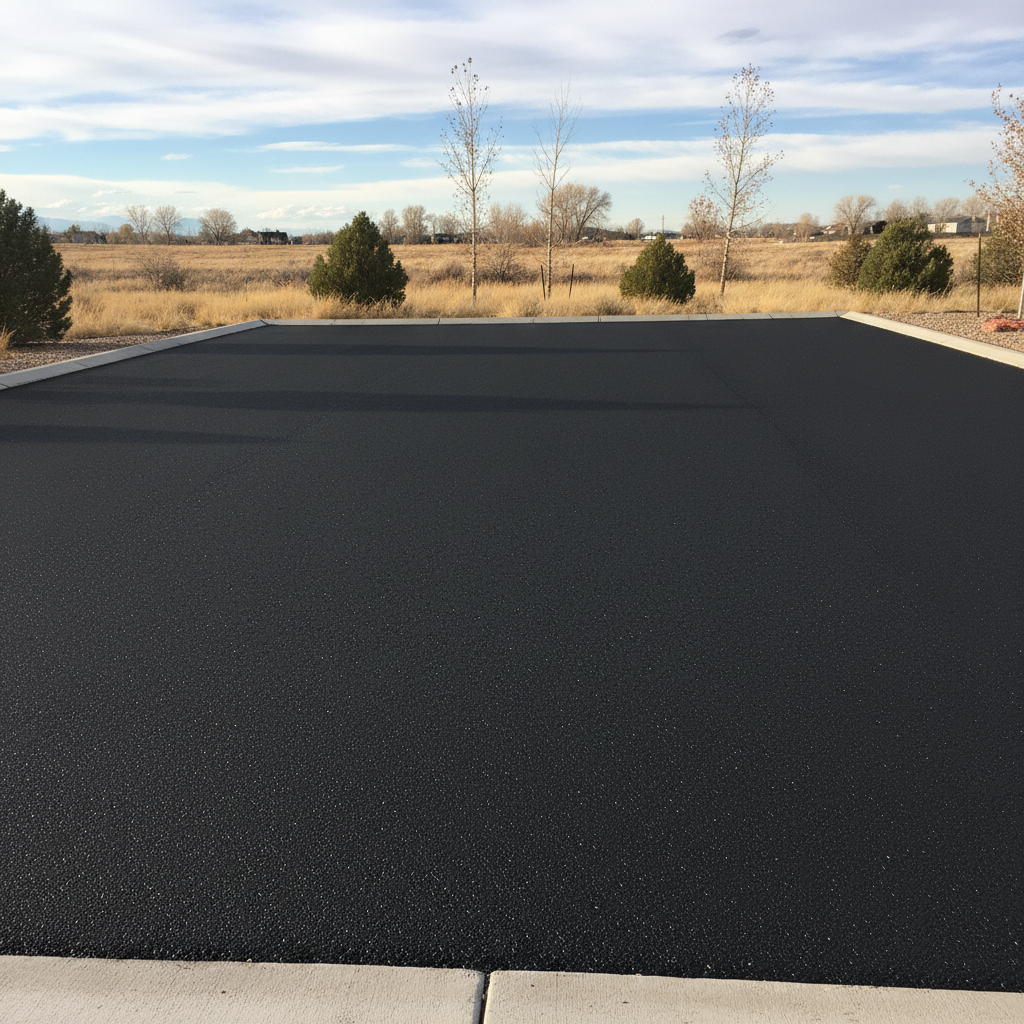
Running a commercial property around Brighton means dealing with weather that is very unpredictable. Between the intense summer sun beating down on the Front Range and the sharp freeze-thaw cycles we get right out here in Adams County, your parking lot takes a lot of wear and tear. Over the years at Asphalt Excellence, property owners have asked us plenty of questions about how to keep their pavement intact without wasting money on quick fixes that do not last. Here is what you actually need to know about commercial paving.
How does Brighton's soil affect a commercial parking lot?
If you have dug into the ground anywhere near Brighton, you know we deal with expansive clay and wind-deposited soils that love to shift. When moisture levels swing between wet spring snows and bone-dry summer weeks, the ground literally moves underneath your pavement. If a paving contractor skips the proper sub-grade compaction, your commercial lot will start developing ruts and alligator cracking within 2 to 3 years. Asphalt Excellence always spends extra time getting that aggregate base solid before laying a single pound of hot mix.
How often should a commercial lot be sealcoated?
Here on the plains, the UV rays are brutal. They dry out the liquid asphalt binder faster than you would think, turning a rich black surface into a brittle, gray dust bowl. For most commercial properties in the area, putting down a commercial-grade sealcoat every 2 to 3 years is the right interval. It locks out moisture, protects against chemical spills like oil and gas, and keeps the binder flexible enough to handle temperature drops.
What causes those deep potholes after winter?
You already know the drill: tiny hairline cracks open up during the fall, water trickles inside, and then a hard January freeze hits. Water expands when it turns to ice, pushing the surrounding asphalt apart from the inside out. When the ice melts in the spring, it leaves an empty pocket right beneath the traffic load, and the surface caves in under a heavy delivery truck. Throwing a bag of cold patch into the hole is just tossing money in the wind. You have to clean it out, cut back to sound edges, and use hot-mix asphalt to do it right.
Is an overlay enough, or do I need a total tear-out?
It all comes down to what is happening underneath the surface. If your base is completely shot and the sub-grade has failed, an overlay is just putting a shiny band-aid on a broken bone. The cracks will mirror right back through the new layer in no time. But if the structural foundation is still stable and you are mostly dealing with surface wear, fading, and minor cracking, a mill and overlay will save you a lot of cash while giving you a brand-new wearing course.
When is the right time of year to pave?
We work around the local climate here in Colorado. Asphalt requires specific air and ground temperatures to compact properly and achieve the right density. Asphalt Excellence typically wraps up our commercial paving season from late spring through mid-fall when the ground is not freezing cold. Trying to lay asphalt when the sub-base is cold means the material cools down too fast under the roller, leading to premature crumbly failures.
How can I extend the lifespan of my lot?
Maintenance is not glamorous, but it is the only thing standing between a 15 to 20-year pavement life and a 5-year replacement bill. Keep up with hot-pour crack sealing annually so water cannot sneak into the sub-base. Address small oil leaks and localized failures before they turn into major structural craters. A proactive approach is always cheaper than a reactive reconstruction.